The golden rules of smile design at Wimpole Street
There's a tell-tale sign that a smile has been designed badly, and it isn't in the teeth themselves. It's in the way the rest of the face stops working around them. The eyes don't catch up.
.png)
There's a tell-tale sign that a smile has been designed badly, and it isn't in the teeth themselves. It's in the way the rest of the face stops working around them. The eyes don't catch up. The lips look like they're framing someone else's smile. Something is technically correct and aesthetically wrong, and you can't always say why.
Smile design at Wimpole Street isn't about whitening, straightening, or fitting veneers in isolation. It's about building a smile that belongs to the face it's sitting in, designed by clinicians who have spent decades thinking about why some smiles work and others, however perfect their teeth might be, never quite do. The five rules below are the ones we keep coming back to at Ace Dental in Marylebone when patients ask why we plan cosmetic cases the way we do.
What we actually mean by smile design
Smile design is the planning stage that sits in front of any cosmetic dentistry. Before a tooth gets reshaped or a veneer is bonded into place, we're making decisions about proportions, colour, shape, character, and how all of it will interact with the lips, the gums, and the bone underneath when you're laughing, talking, eating, or just resting your face at the end of a long day.
Done well, it disappears. You don't notice the planning that went into a great smile because the result itself looks effortless. Done badly, the planning is the first thing anyone sees, even if they can't articulate exactly what's gone wrong.
The principles below are universal across cosmetic dentistry. The application of them is where the difference between clinicians shows up.
Rule one: the smile has to belong to the face it's in
The most common mistake in cosmetic dentistry isn't a technical one. It's borrowing someone else's face.
Patients arrive with phone photos of celebrities, of friends, of people they've seen in shop windows. Sometimes the request is direct: "I want her smile." It's a perfectly reasonable starting point for the conversation. The trouble is that the same set of teeth on two different faces will look entirely different, and often unflattering on the wrong one.
What we're really planning, when we plan a smile, is the relationship between the teeth and the bone they sit in, the lip line that frames them, the height of the smile when the face is animated, the asymmetries that exist naturally in every face, and the colour palette the rest of the face is already wearing. Dr Adarsh Thanki, our practice principal, is known for what he calls facially driven smile design: the idea that the face leads the planning, not the teeth. It changes the order of every decision that follows.
Rule two: restraint almost always reads as more expensive
Walk down Harley Street and you'll see two kinds of cosmetic dentistry. The smiles that have been built for the camera, and the smiles that have been built for the person living behind them. The difference is often a millimetre or two of tooth length, a slightly less aggressive whitening shade, a quiet refusal to push the design any further than the face will comfortably carry.
Patients sometimes ask why a quieter aesthetic costs more than a louder one. It usually doesn't, in terms of materials. What it costs is time. Restraint is harder to plan than overcorrection; it demands more conversation, more iteration, more trying things on before any decisions get made.
In our experience at Wimpole Street, the cosmetic results that age the best are the ones that, at the planning stage, felt almost too understated to the patient. The ones that needed a second consultation before the patient could agree to dial it down a little further still.
Rule three: real teeth aren't identical, and good design isn't either
Look at any front-facing photograph of a person with a beautiful natural smile and the teeth are never perfectly matched. The two central incisors are nearly mirror images of each other, but never quite. The lateral incisors have small variations in length and angulation, sometimes slight differences in surface texture. The canines have character. The premolars catch the light in their own way.
Cosmetic dentistry that ignores this and produces eight or ten identical-looking teeth almost always reads as artificial, even when the technical work is exquisite. The lighting hits a row of identical teeth differently to the way it hits a row of subtly varied ones, and the eye picks it up instantly, even when the viewer can't say why.
A lot of our planning time at Ace Dental goes into building deliberate, controlled asymmetry. Tiny variations in length, in surface anatomy, in the way the corners of each tooth catch the light. The goal is a smile that, when photographed, doesn't tip the viewer off that anything has been done at all.
Rule four: the way you smile matters as much as the teeth that show when you do
Most people have two smiles. The polite one for cameras and meetings, and the genuine one that happens involuntarily when something actually amuses them. The two often show very different amounts of tooth, gum, and lip.
Designing a smile around the polite version is one of the most common mistakes in cosmetic dentistry. You end up with a beautifully planned result that looks perfect in the consultation room mirror and slightly off in real life. The gum line shows more than expected when the patient really laughs. A premolar that wasn't part of the cosmetic plan turns out to be very visible. The smile loses the depth it had before, because the planning didn't account for how it actually moves.
We spend time in consultation watching how a smile genuinely moves. Videos help. So does conversation that goes on long enough for the polite smile to drop and the real one to come through. The plan we build is for the smile you live in, not the one you put on for the photographer at a wedding.
Rule five: function leads, beauty follows
This is the rule that separates clinicians who do cosmetic work occasionally from those who do it as a primary discipline. A smile that doesn't work mechanically doesn't last. The veneers crack. The bonding chips. The bite collapses on one side and overloads on the other, and within a few years the cosmetic plan has fallen apart.
The planning conversation has to start with how the teeth meet, how the jaw moves, where the wear has been happening and why, and what the muscles around the joint are doing day to day. Only once those answers are clear can the cosmetic plan be drawn up with any real confidence.
It's why our planning process at Wimpole Street involves more than photographs and a quick chat about colour. The CBCT scan (a three-dimensional X-ray that shows the bone and root structure), the iTero digital impression of the teeth, and a full bite analysis are how a smile gets designed properly the first time, rather than corrected after the event.
Who designs your smile at Wimpole Street
The principles above only translate into a good result when the clinical voices applying them are deep enough to know when to break their own rules. That's where the team at Ace Dental matters.
Dr Thanki has built his reputation on comprehensive full-mouth rehabilitation and facially driven aesthetic design, with a philosophy that prioritises natural harmony, function, and longevity over headline-friendly transformations. Alongside him, Dr Ameed K. Abdul-Hamid is one of the most internationally recognised figures in dental aesthetics, formerly Director of the Aesthetic postgraduate programmes at University College London and named International Dentist of the Year in 2011. He currently chairs the Arab Academy of Dental Aesthetics and serves as Regent of the International Academy of DentoFacial Aesthetics in New York.
It's a combination of clinical voices that's genuinely uncommon, even in the small radius around Harley Street where so much of the country's cosmetic dentistry is concentrated. For patients considering veneers, a complete smile makeover, or simply trying to work out what a more refined cosmetic plan might look like for them, it's the team that gives a Wimpole Street consultation its weight.
Where to start if you're thinking about smile design
A good smile design conversation doesn't commit you to anything. It's a planning visit, not a treatment plan. You can come in, talk through what's been bothering you, see what we'd recommend and why, and leave with a clearer sense of whether cosmetic work is genuinely the right step for you, or whether something quieter (targeted whitening, perhaps, or a single piece of composite bonding) would do most of the work for far less.
We see patients from across Marylebone, Mayfair, and the wider Central London area, with consultations taking place in person at our practice on Wimpole Street, a five-minute walk from Bond Street station. Book an appointment with our team to start the conversation; there's no obligation to proceed, and we'd rather have an honest chat first than rush you towards a plan.
Frequently asked questions
How long does smile design take from first consultation to finished result?
It depends on the complexity of the case. A composite bonding case can run from consultation to finished result within a few weeks. A full porcelain veneer case is typically two to three months from planning to placement. Smile design that involves orthodontics, dental implants, or full-mouth restoration can take six to twelve months, sometimes longer for complex multidisciplinary cases.
Will my new smile look obviously "done"?
The whole point of careful smile design is that it doesn't. If a smile reads as artificial, the planning has failed. We'd rather a result that nobody can quite put their finger on than one that announces itself the moment you walk into the room.
Can I see a preview of what my new smile might look like?
Yes. We use digital scanning and smile simulation as part of the planning process, which means you can see a preview of the proposed result before any treatment starts. It's one of the most useful tools we have, because it makes the conversation about what's possible (and what isn't) far more honest from the outset.
Is smile design only for celebrities or high-profile patients?
No. The principles in this article apply to any cosmetic case, from a single front tooth that's been bothering you for years to a complete reconstruction. The reason Wimpole Street and Harley Street are known for cosmetic dentistry is the depth of clinical experience concentrated in the area, not any particular type of patient.
Browse related articles

Dental implants explained: your options from single tooth to All-on-4
This is a plain guide to what each option actually means, who it tends to suit, and how the process works if you go ahead. Nothing here replaces a proper assessment, but it should help you walk into that assessment already knowing what questions to ask.
The 45-minute first appointment: what we look at when there's actually time to look
Most dental check-ups are over before they really start. Fifteen minutes of stocktaking, a quick polish, a glance around, and you're back on the street. It works as a routine; it doesn't really work as a check.



Get in touch.
.webp)
Marylebone.
Ace Dental
Lister House,
11-12 Wimpole Street,
Marylebone, London
W1G 9ST
Call us on:
Opening times:
Weekdays 9am - 6pm


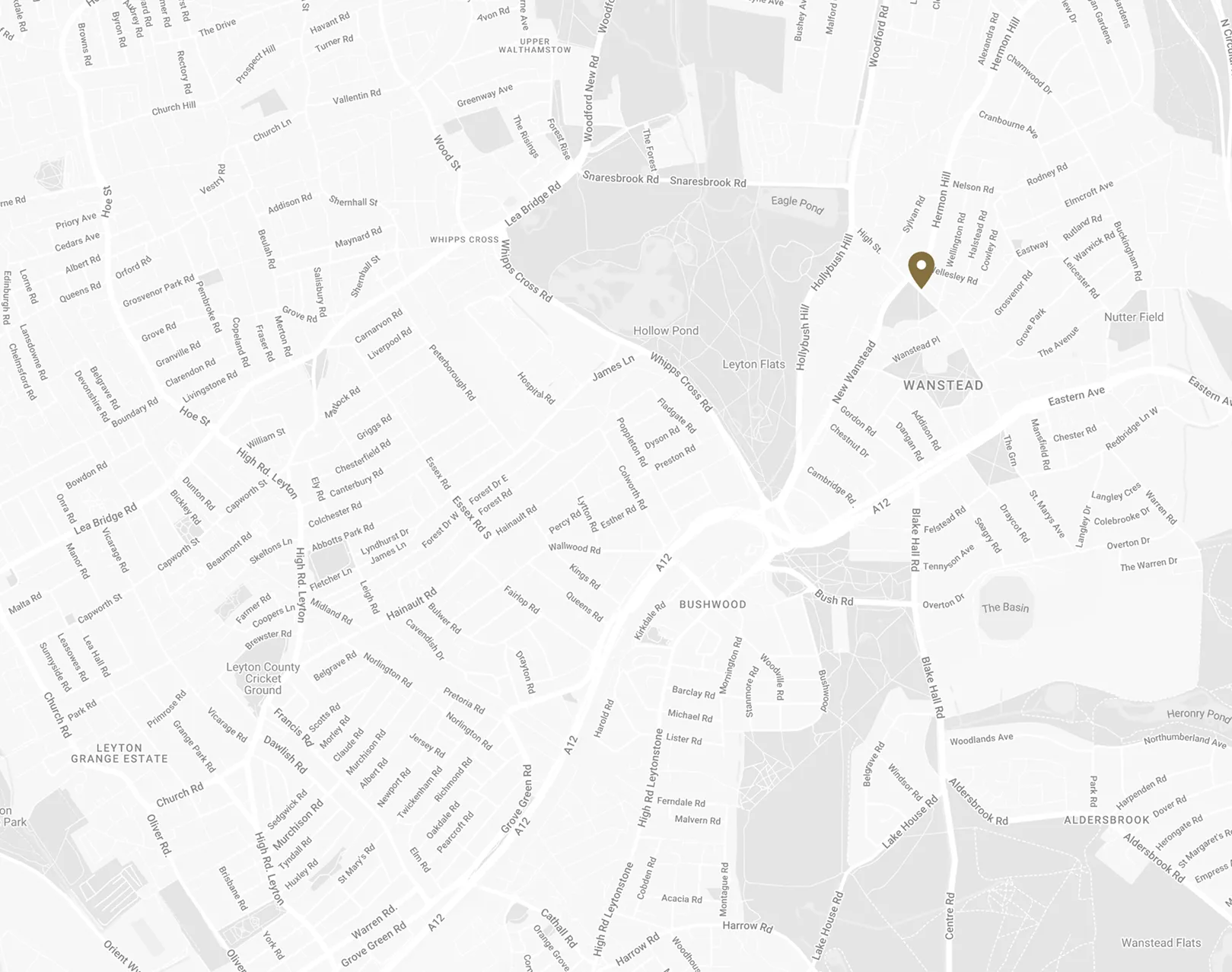
Wanstead.
Ace Dental
11 High Street,
Wanstead, London
E11 2AA
Call us on:
Opening times:
Monday 9am - 6pm
Tuesday & Wednesday 9am - 7pm
Thursday 9am - 5:30pm
Friday 9am - 5pm
Saturday 9am - 2pm
Sunday Closed
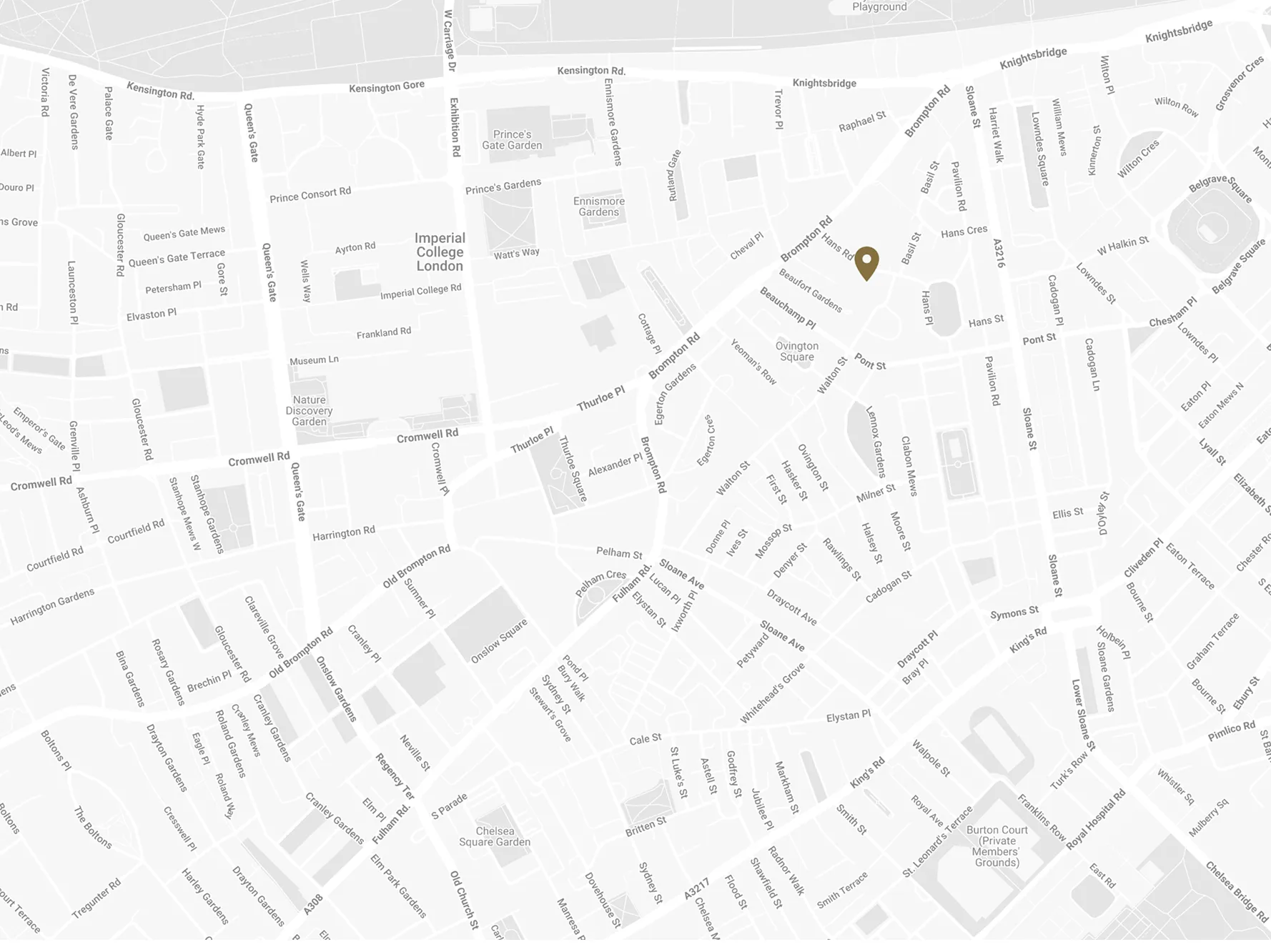
Knightsbridge.
Rakus Dental
34 Hans Road,
Knightsbridge,
London,
SW3 1RW
Call us on:
Opening times:
Monday 9 am- 6 pm
Tuesday 9 am- 6 pm
Wednesday 9 am - 6 pm
Thursday 9 am - 6 pm
Friday 9 am - 6 pm
Saturday 10 am - 4 pm
Sunday Closed