The 45-minute first appointment: what we look at when there's actually time to look
Most dental check-ups are over before they really start. Fifteen minutes of stocktaking, a quick polish, a glance around, and you're back on the street. It works as a routine; it doesn't really work as a check.

Most dental check-ups are over before they really start. Fifteen minutes of stocktaking, a quick polish, a glance around, and you're back on the street. It works as a routine; it doesn't really work as a check.
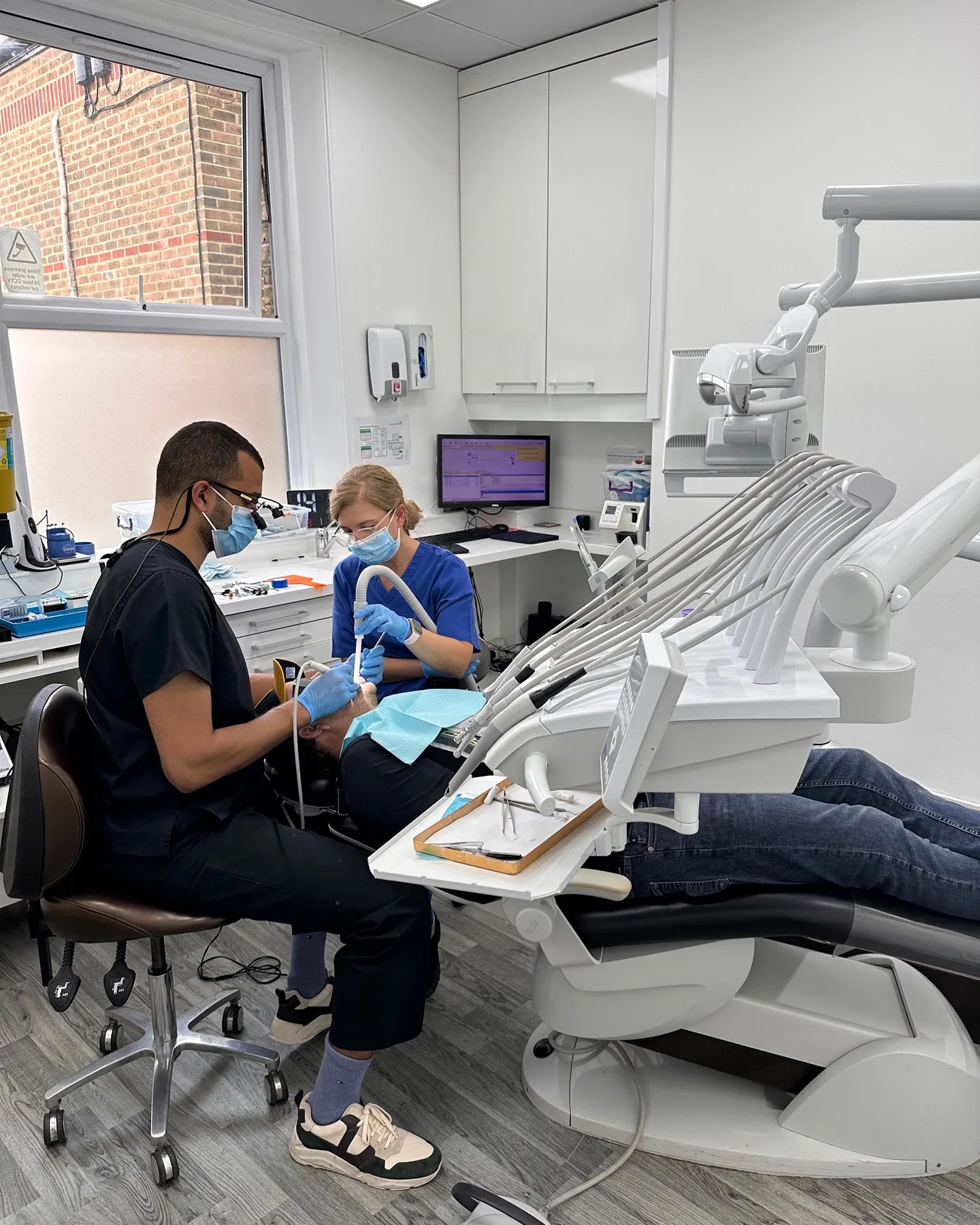
The first appointment at our Marylebone practice runs for 45 minutes. That isn't a marketing decision or a way to feel thorough. It's the time it actually takes to look properly at a mouth, listen to the person attached to it, and leave with a plan that means something. What follows is what those 45 minutes contain, and why each part of them earns its place.
What 45 minutes actually buys you
The gap between a 15-minute visit and a 45-minute one isn't half an hour of extra polishing. It's room to look at the whole picture. The history. The pattern. The bite that's slightly off on one side and the molar that's quietly cracking because of it. The way you talk about your teeth, what's worked, what hasn't, the things you've started to live with that you didn't think to mention.
A quarter of an hour is enough to spot the obvious. Forty-five minutes is enough to spot the things that aren't yet obvious but will be in a year or two if nobody catches them now.
The conversation before the mirror comes out
Many practices look in your mouth first and ask if you have any concerns afterwards. We work the other way around. Before the chair goes back, before any instrument is picked up, we ask what's brought you in, what's been bothering you, what you'd want to be different about your teeth or your smile if you could change it.
It sounds simple. It changes everything that follows. Knowing what you're worried about tells us where to look first, what to compare against, and which findings are worth pausing on. A clicky jaw in your records is a footnote; a clicky jaw mentioned in conversation is a starting point.
The mouth cancer screening that takes 90 seconds
An oral cancer screening should be part of every dental check-up; in practice, it often isn't. We make a point of doing one on every first visit and every regular review, and we make a point of doing it properly. The inside of the cheeks, the floor of the mouth, under the tongue, the soft palate, the lymph nodes in the neck. Mouth cancer screening takes about 90 seconds when it's done thoroughly. It's often the part of the visit patients don't even notice happening, because we make it part of the conversation rather than a separate procedure. From a public health point of view, it's the most important 90 seconds in the appointment.
Why we use an iTero digital scan on the first visit
Most dental practices don't take detailed scans at a routine new patient appointment. We do, because the scan shows us things a visual exam alone cannot. The iTero builds a three-dimensional map of your teeth and your bite in about three minutes, with no putty impressions involved.
Beyond what we see today, the scan creates a record we can compare against in six months, a year, three years. Tooth movement, wear, recession; all of it shows up against a baseline. If cosmetic or restorative work comes up later, we already have the starting data without having to gather it again.
The bite analysis nobody else has time for
How your teeth meet when you bite down matters more than most patients realise. An uneven bite is the reason molars crack, fillings come loose, veneers chip, and patients wake up with a sore jaw they put down to stress. The forces are real, and they're not random; they concentrate in predictable places and do predictable damage.
Part of the first appointment is looking at how your teeth actually meet, where the wear is happening, whether the jaw joints are tracking symmetrically, and whether the muscles around them are doing more work than they should be. Dr Adarsh Thanki, our practice principal, has built his reputation on comprehensive full-mouth rehabilitation precisely because bite issues compound over decades when nobody catches them early. None of it shows up in a quarter-hour exam, but most of it shows up clearly in 45 minutes.
The hygiene conversation that goes beyond "brush twice"
The first appointment isn't a hygiene visit. We book those separately because doing them properly takes time of their own. But during the new patient exam we look at what your home care routine is actually doing for you, and where it's falling short. Different mouths need different routines; the same advice about brushing twice a day for two minutes doesn't help much if the issue is between your teeth, or if you have gum recession on one side that needs a softer approach. Our dental hygiene appointments are tailored to what we find at the first visit, not a one-size-fits-all clean.
What you leave with in writing
Before you go, you have a treatment plan. Even if the plan is "everything looks healthy, see us in six months", you leave with that on paper, with the photos and scans on file and the costs (if any) of anything we've discussed. There are no half-described findings, no "we'll talk about that next time". Nothing gets invented or upsold. If you don't need work, we'll tell you, and the appointment is still worth the £150 because you now have a baseline to track from and a clinician who knows your mouth.
Who carries out the first appointment in Marylebone
Dr Thanki sees most of our new patients personally, with the wider clinical team supporting where their specialisms come in. Dr Sara Amini, for example, is a qualified hypnotherapist as well as a dentist, and patients with significant dental anxiety often see her for their first visit rather than the standard route. Our nervous patient pathway is one of the reasons new patients who haven't been to a dentist in years end up choosing the practice.
How to book your first appointment at our Wimpole Street practice
Our practice sits at Lister House on Wimpole Street, in the heart of Marylebone, a five-minute walk from Bond Street station. The new patient appointment is £150 and runs to 45 minutes, with everything described above included. If treatment comes out of it, we'll talk you through the options without pressure; if it doesn't, you've still had a proper exam and a written plan, which on its own is worth more than most people think. Book an appointment with our team to start.
Frequently asked questions
What's the difference between a check-up and a new patient appointment?
A new patient appointment is the deeper version of a dental check-up, run when we don't yet have a history with you. It includes the full set of records (scan, photos, x-rays, bite analysis) that we'd otherwise build up across multiple visits. After that, your regular check-ups can be more focused because the baseline is already on file.
What if everything looks healthy? Is the £150 wasted?
No. The £150 buys the full set of records and the time of a clinician who has looked at your mouth properly. The reason we charge it whether or not treatment is needed is precisely because we want the appointment to be about looking carefully rather than finding something to fix. Most patients who come for the first appointment value the baseline as much as the diagnosis.
How often will I need to come back after the first visit?
It depends entirely on what we find. Some patients see us once a year for a check and twice a year for hygiene. Others, with periodontal issues or restorative work in place, come more often. We'll tell you what we recommend at the end of the first appointment and the reasoning behind it; there are no automatic recall intervals applied without thought.
Can I bring my dental records from a previous dentist?
Yes, and we'd encourage it. If you have recent x-rays, treatment notes, or any history of dental work, having them in front of us at the first visit changes how thoroughly we can build the picture. Your previous practice is obliged to release them on request.
Will I get an iTero scan every time I come in?
Not every visit, but periodically. The value of the scan is partly in the comparison over time. Repeating it every six months tells us very little; repeating it after 12-18 months can reveal movement or wear that's worth flagging.
Browse related articles
.png)
Why a comprehensive dental check-up matters more than you think
Most people book a check-up expecting a quick poke around, a bit of polishing, and a "see you in six months." That's not entirely wrong, but it undersells what a proper check-up should actually cover, and it's part of why so many problems get caught too late to fix simply



Get in touch.
.webp)
Marylebone.
Ace Dental
Lister House,
11-12 Wimpole Street,
Marylebone, London
W1G 9ST
Call us on:
Opening times:
Weekdays 9am - 6pm


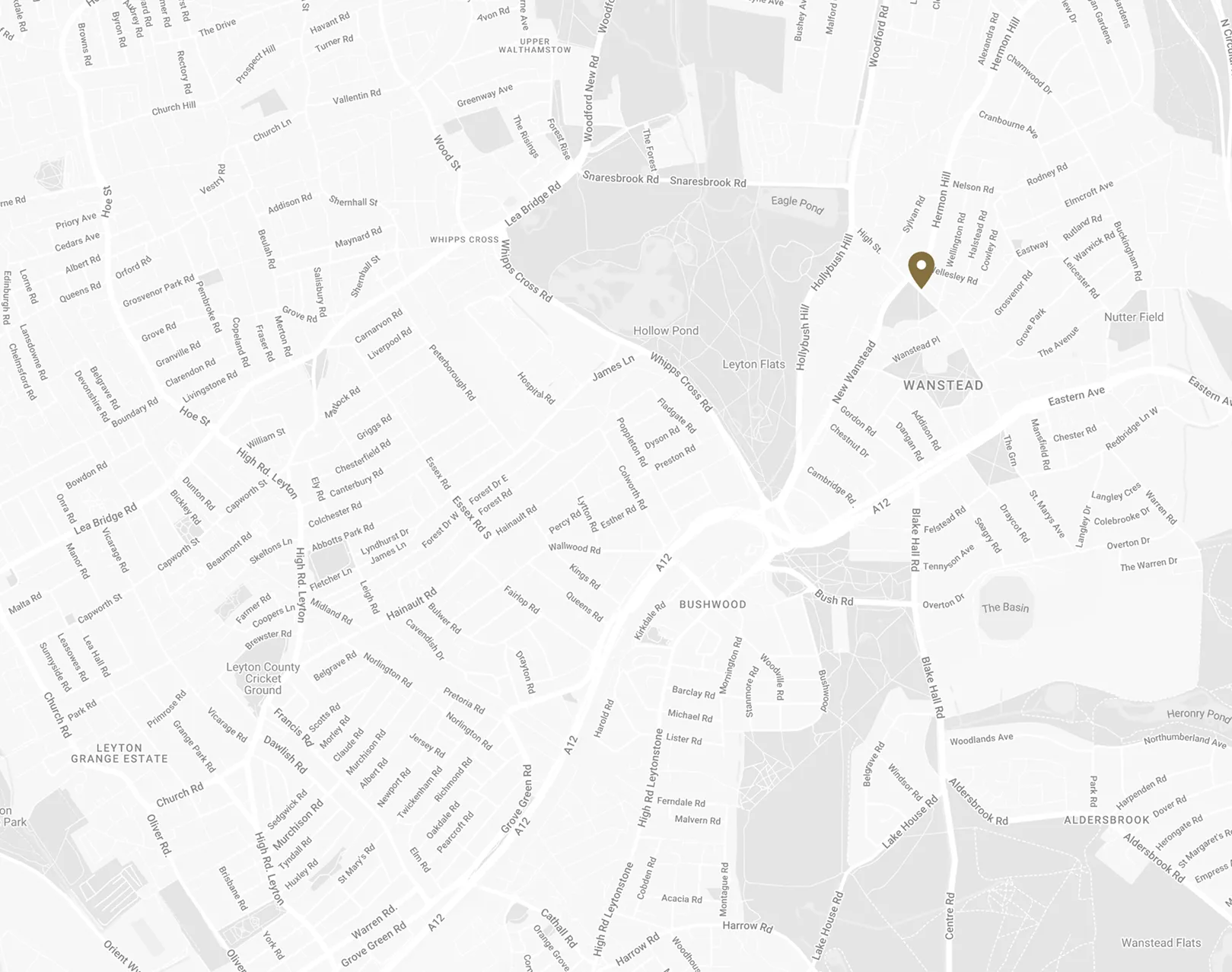
Wanstead.
Ace Dental
11 High Street,
Wanstead, London
E11 2AA
Call us on:
Opening times:
Monday 9am - 6pm
Tuesday & Wednesday 9am - 7pm
Thursday 9am - 5:30pm
Friday 9am - 5pm
Saturday 9am - 2pm
Sunday Closed
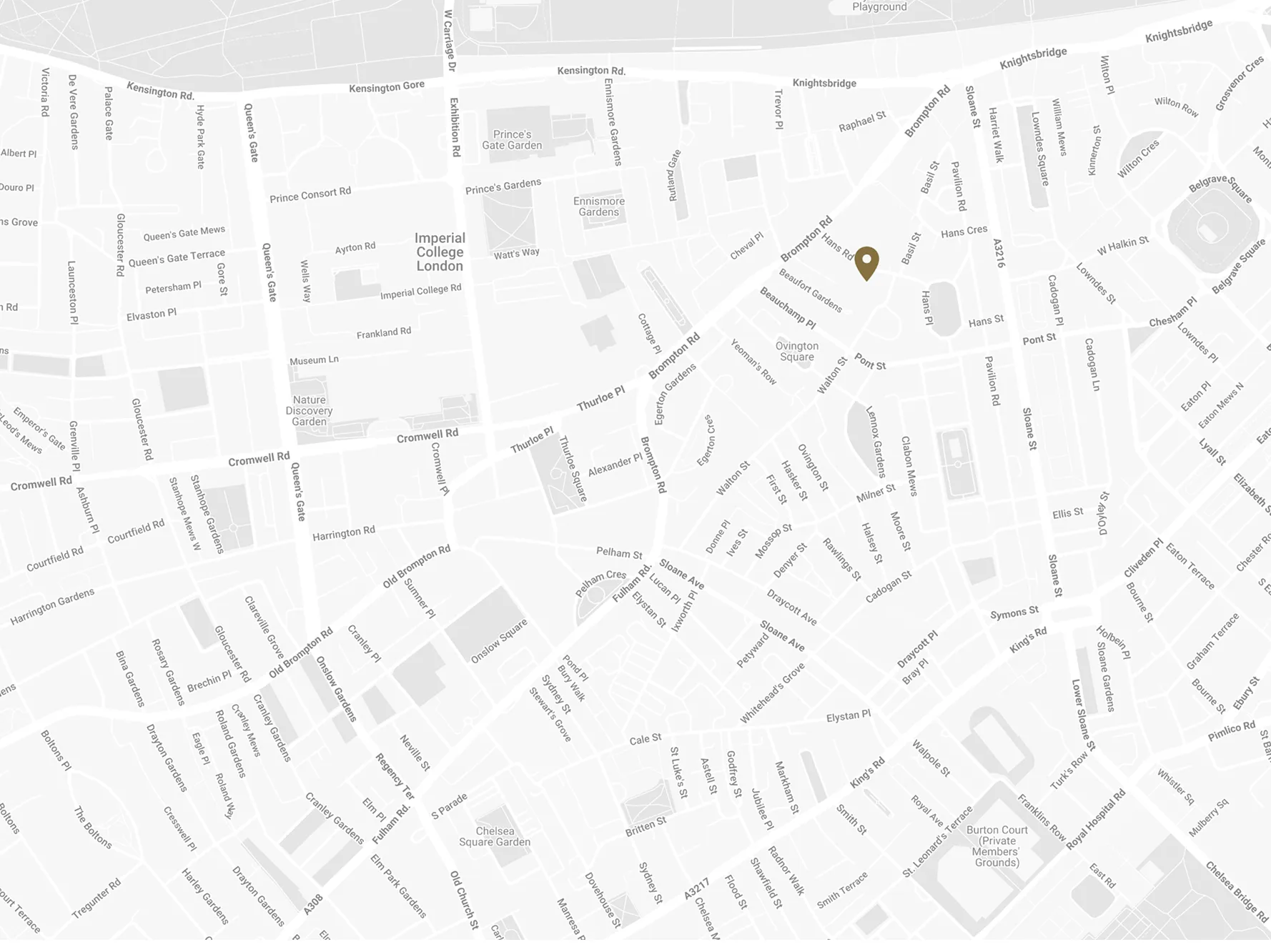
Knightsbridge.
Rakus Dental
34 Hans Road,
Knightsbridge,
London,
SW3 1RW
Call us on:
Opening times:
Monday 9 am- 6 pm
Tuesday 9 am- 6 pm
Wednesday 9 am - 6 pm
Thursday 9 am - 6 pm
Friday 9 am - 6 pm
Saturday 10 am - 4 pm
Sunday Closed