Tooth Extractions in Marylebone and Central London.

Sometimes a tooth is too damaged or decayed to be saved.
When extraction is necessary, our dentists in Marylebone and Central London provide gentle care and clear advice so you know what to expect. We offer sedation options and guidance on replacing your tooth to restore your smile.
Our support for nervous patients.
Gentle extractions
Experienced clinicians prioritise your comfort.
Sedation options
Relax with local anaesthetic and available sedation.
Comprehensive care
Assessment, extraction and restorative solutions if needed.
Central London location
Convenient appointments near Marylebone and Harley Street.
Why you might need a tooth extraction and what to expect
There are many reasons why you may need to have a tooth taken out. When tooth decay, infection or an injury is too severe, your tooth may simply be too damaged to repair. Your wisdom teeth may also require extraction as they can cause overcrowding, as well as gum problems. In these cases, a tooth extraction may be necessary.

Reasons you might need a tooth extraction
Your dentist will always try to save your tooth if that is the best option for your dental health, but there are many reasons why you may need a tooth to be taken out, including:
- Severe damage caused by tooth decay
- A trauma to your tooth, such as a sporting injury
- Baby teeth which haven’t fallen out quickly enough to allow your permanent teeth to come through
- Wisdom teeth which are causing discomfort or overcrowding
- If you are having braces or other orthodontics, you may need to have tooth removals to create room for the rest of your teeth to move into place
- Some medical procedures may also require teeth to be extracted

Two types of tooth extraction
There are two types of tooth extraction you could be offered, and your dentist will be able to advise you on what will work best for you. A simple extraction, as the name suggests, refers to the procedure of removing a tooth that is still visible above the gum line. When the tooth can be seen, your dentist will easily be able to extract it using non‑surgical tools.
However, if a tooth has been forced or pushed into the gum, or broken at the gumline, either because of trauma to your mouth or as a result of severe overcrowding, it could become hidden under your gum surface. Wisdom teeth can also become embedded in your gums, causing discomfort and affecting your chewing ability. In these situations, your dentist will need to make a surgical cut in your gum tissue to remove the tooth which is causing you problems.
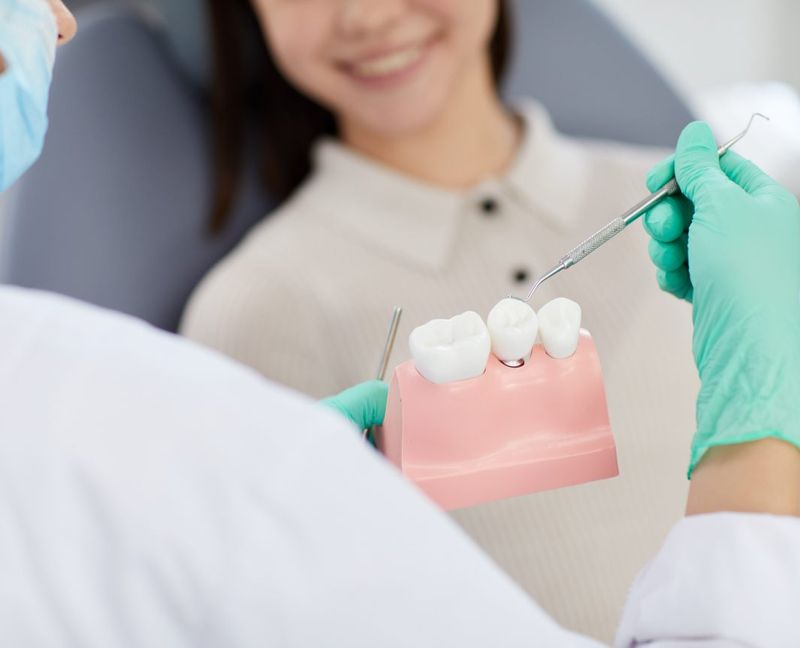
What will happen during a tooth extraction procedure?
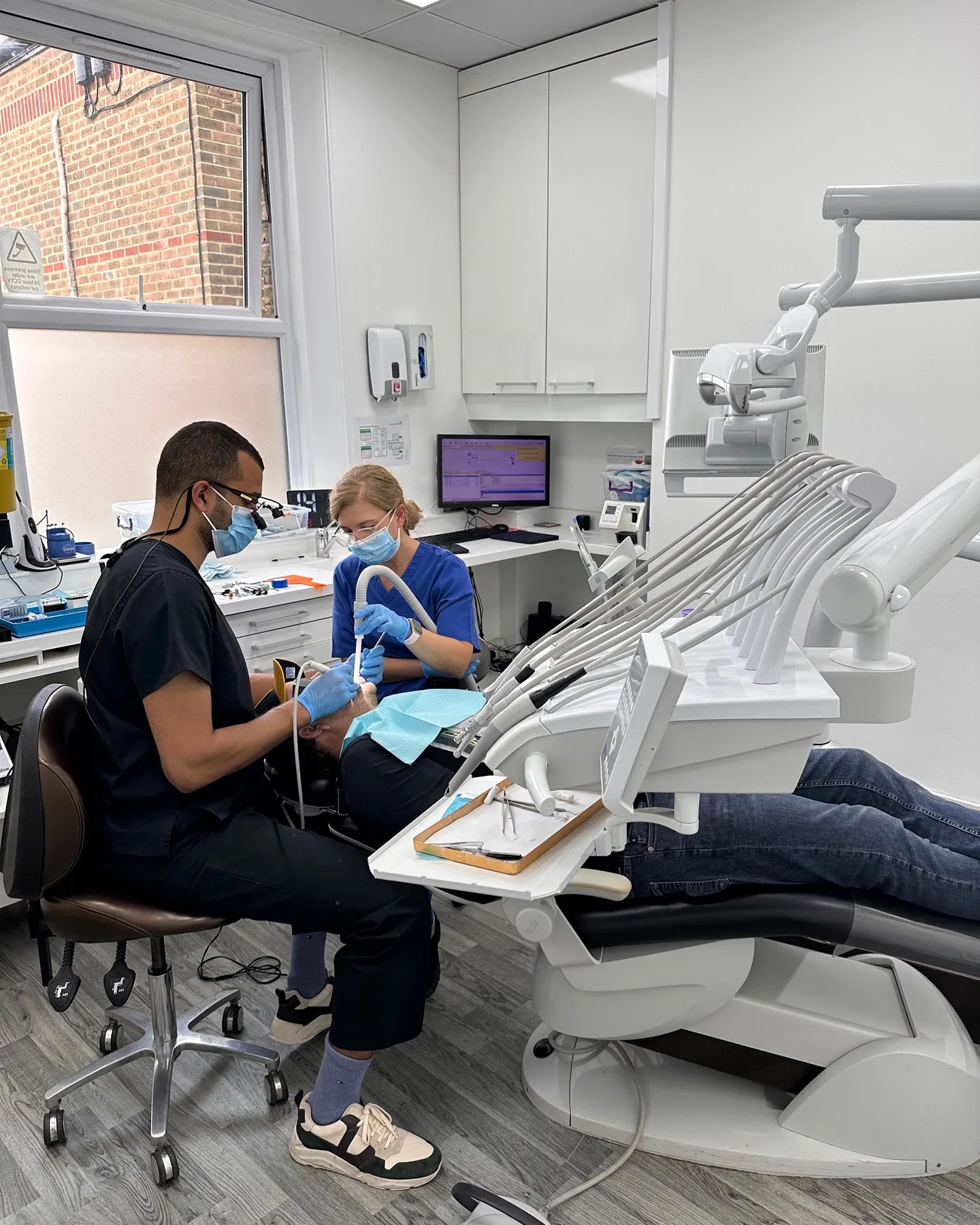
To prepare you for your tooth extraction, your dentist will carry out a full consultation including taking an X‑ray so they can plan the best way to carry out a dental extraction with minimum discomfort. This will check the relationship between the tooth to be removed with the other teeth in your jaw as well as looking at precisely where your major nerves are positioned. They will also take into account the type of teeth to be removed as a molar extraction could need a slightly different procedure to a front tooth, for example.
It may be that your dentist advises a prescription of antibiotics before and after the tooth extraction procedure if you have a tooth infection. Simple extractions are generally done using a local anaesthetic to numb the area, which may be combined with other medication to help you relax. If you need to have a surgical extraction, you will receive a local anaesthetic in the same way, but you may also receive anaesthesia intravenously. Some people, including patients who are very anxious, young children or those who have certain medical or behavioural conditions, may need a general anaesthetic.

Restorative treatment after your extraction
Depending on why you are having an extraction, it is likely that you will be offered further dental treatment. An extraction may be carried out because you are preparing for orthodontic work, for example. Or, if you have been left with a gap in your mouth as a result of removal as a result of damage or decay, your dentist will be able to talk to you about having restorative work such as an implant, a bridge or a denture to replace your lost tooth. If you are undergoing a molar tooth extraction, this is not likely to be necessary.
How to care for your mouth after a tooth extraction
To promote speedy tooth extraction healing, it is best to avoid any hot foods or beverages for a few days as well as drinking through a straw. If you are feeling any discomfort following your extraction, you can manage this with over‑the‑counter painkillers to help with your tooth extraction care. Within a few days, you should start to feel better as the site of your extraction heals.
This will prepare you for your further dental treatments to restore and improve the function of your teeth, and your smile.

Why choose Ace Dental for tooth extraction?
Our dentists have years of experience performing both simple and surgical extractions and will always aim to make the procedure as gentle as possible. We offer local anaesthetic and intravenous sedation depending on your needs. After your extraction, we can provide implants, bridges or dentures to replace the missing tooth and restore your bite. Our Marylebone practice is close to Westminster, Oxford Street and Hyde Park.
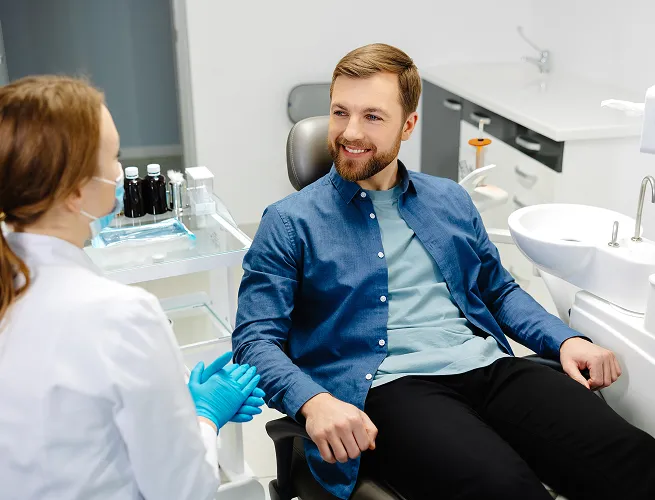
Your tooth extraction journey.
We make every step of the extraction process as simple and comfortable as possible. Here’s what to expect:
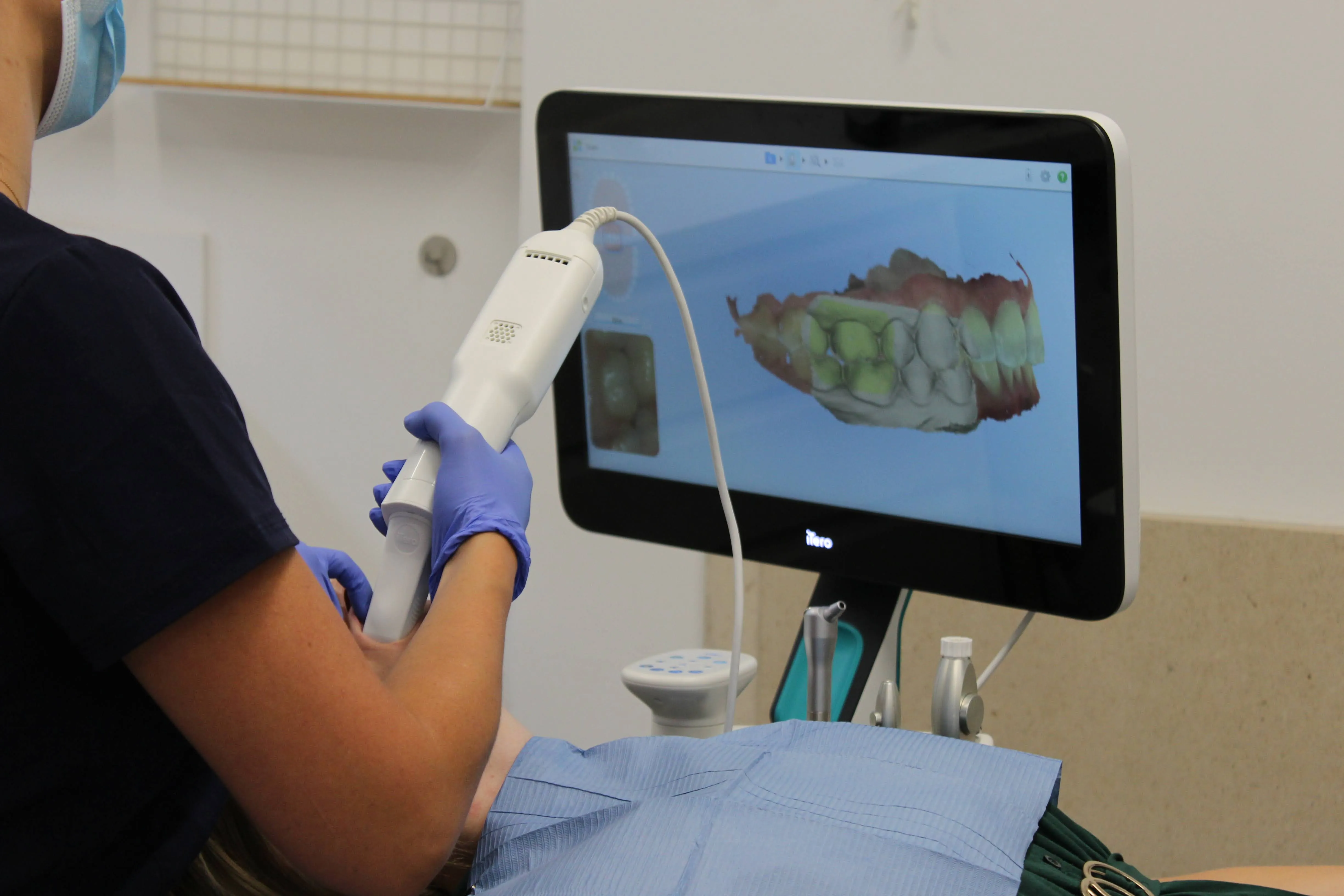
Consultation and X‑ray
We assess your tooth, take X‑rays and explain why extraction may be necessary.
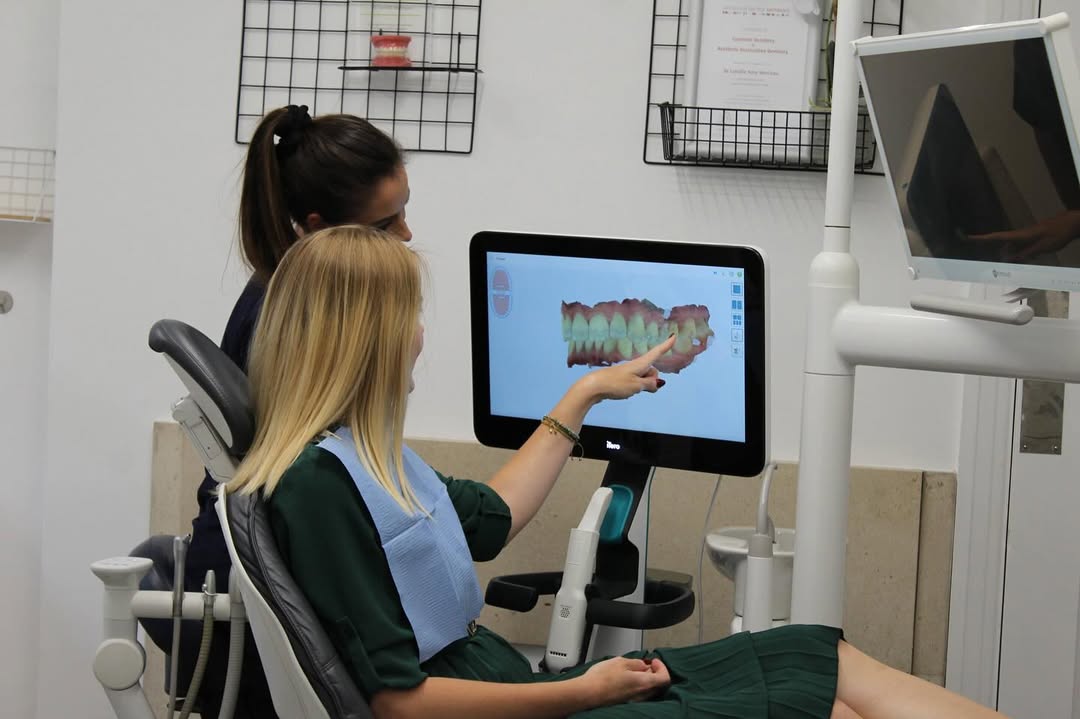
Preparation and anaesthesia
We numb the area with local anaesthetic and offer sedation if you’re nervous. For surgical extractions we may also provide intravenous sedation or general anaesthetic.

Extraction
We gently remove the tooth using either simple or surgical techniques depending on its position.
Advice and aftercare
We explain how to look after the site, manage any discomfort and when to return to normal eating.

Follow‑up and restoration planning
We schedule check‑ups and discuss options such as implants, bridges or dentures to restore your smile.

Clarity and care in every extraction.
We believe dental care should always be clear and straightforward. At Ace Dental, you’ll know the cost of your extraction treatment before it begins, so you can feel confident in every step of your care.
Tooth extraction
From
£395
Take the first step to comfort.
If you’re in pain or have been advised to have a tooth removed, we’re here to help. Book an appointment and take the first step towards restoring your dental health.

"Was treated at United Smile Centres a few weeks ago."
Was treated at United Smile Centres a few weeks ago. Very warm and courteous service. Treatment was painless. Would recommend them highly.
"A great experience."
A great experience. Jamie Wright was kind and sympathetic, and explained very clearly every stage of the process for my new dentures. Thanks to everyone at Ace Dental for a relaxed, professional and friendly environment. I am delighted with my new dentures, and can't recommend Ace highly enough. Thanks to all.
"My teeth are fantastic, my confidence is SKY HIGH"
United Smile Centres.....Being afraid of dentists for so many years of my life, I had let go of my teeth to the point I was so embarressed to go out and socialise with friends, family and my work started to get affected due to my confidence issues.I then plucked up the courage to ring United Smile Centres and spoke to a lovely girl who put me at ease immediately on the phone......The day of my FREE consultation I was so nervous and scared that I almost didnt attend my appointment, but found the confidence to come in as I wanted to be ME again. Can I say what a fantastic team United Smile Centres have, they held my hand every step of the way.Having met the team a few times before the surgery I had built up enough trust to go ahead with this life changing procedure. I felt very safe throughout the treatment.My teeth are fantastic, my confidence is SKY HIGH and the best bit is I can laugh, giggle and smile without a care in the WORLD!!
"By far one of the best dental experiences I've ever had."
By far one of the best dental experiences I've ever had. Very supportive and gave a clear breakdown of everything perfectly. Couldn't recommend more.
Frequently asked questions about tooth extraction.
What are the main reasons for extraction?
Severe decay, trauma, problematic wisdom teeth or making space for orthodontics are common reasons. We’ll always try to save the tooth if possible.
What are the two types of extraction?
Simple extractions remove visible teeth above the gumline, while surgical extractions involve cutting into the gums to remove teeth that are broken or impacted.
Does extraction hurt?
We use local anaesthetic to numb the area completely. For nervous patients we offer sedation so you can relax. You’ll feel pressure but not pain.
How long does recovery take?
Most discomfort settles within a few days. Follow our aftercare instructions and avoid smoking or drinking through a straw to aid healing.
Will I need to replace the extracted tooth?
If the removed tooth leaves a gap, we can discuss implants, bridges or dentures to restore function and appearance.
Do you extract wisdom teeth?
Yes. We have experience removing wisdom teeth that are causing pain or overcrowding. We’ll assess whether removal is necessary and explain the procedure.




Get in touch.
.webp)
Marylebone.
Ace Dental
Lister House,
11-12 Wimpole Street,
Marylebone, London
W1G 9ST
Call us on:
Opening times:
Weekdays 9am - 6pm


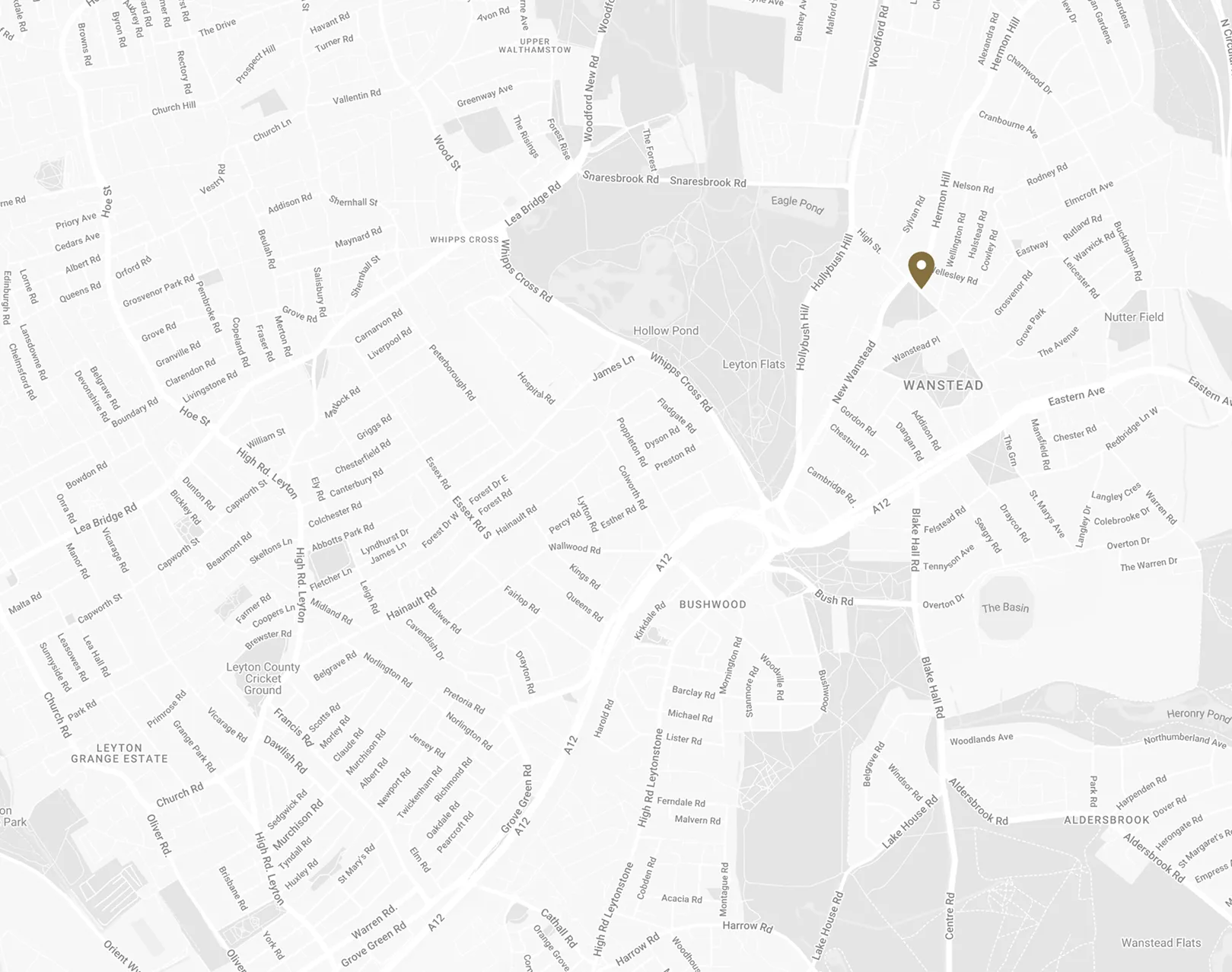
Wanstead.
Ace Dental
11 High Street,
Wanstead, London
E11 2AA
Call us on:
Opening times:
Monday 9am - 6pm
Tuesday & Wednesday 9am - 7pm
Thursday 9am - 5:30pm
Friday 9am - 5pm
Saturday 9am - 2pm
Sunday Closed
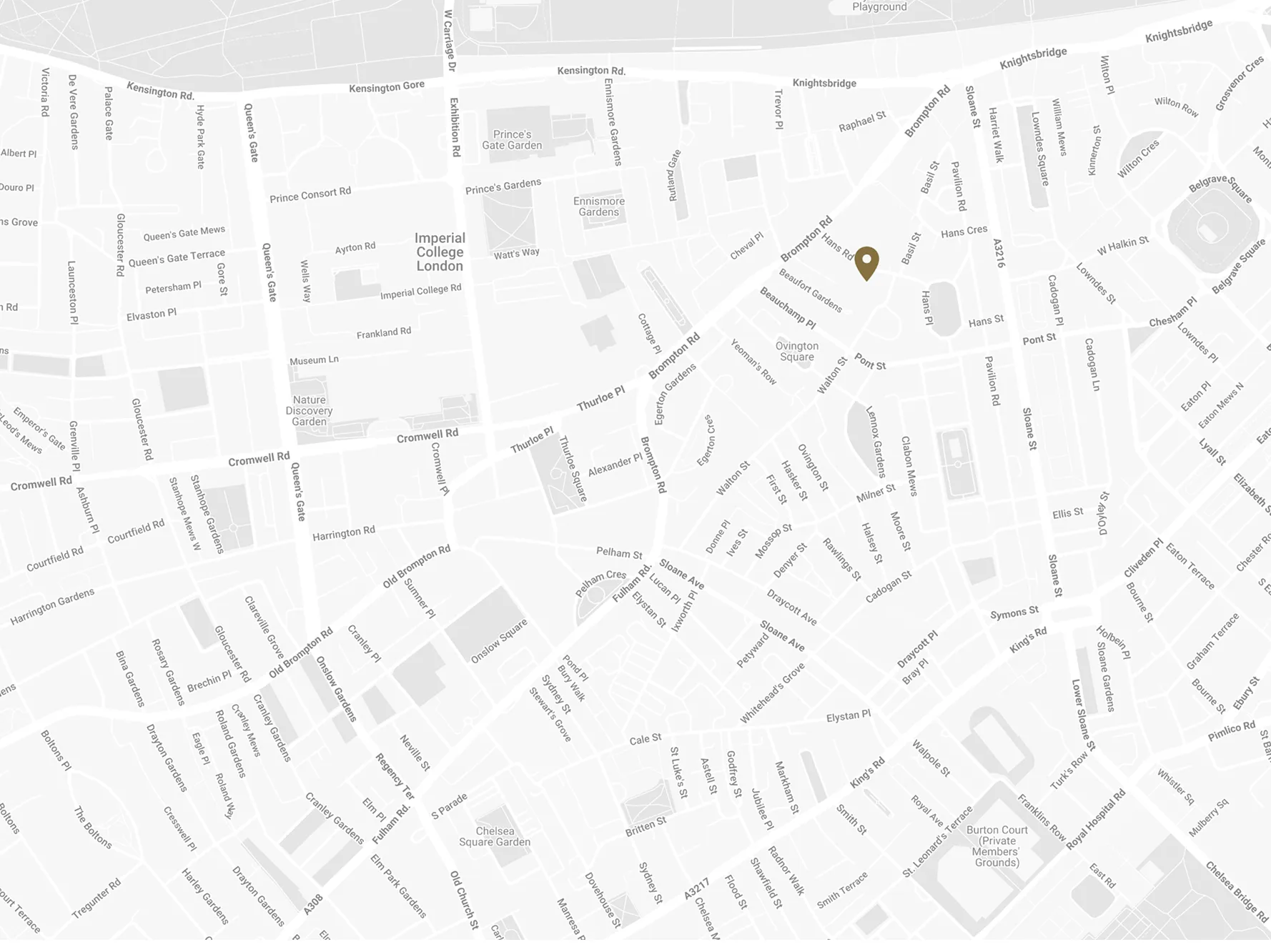
Knightsbridge.
Rakus Dental
34 Hans Road,
Knightsbridge,
London,
SW3 1RW
Call us on:
Opening times:
Monday 9 am- 6 pm
Tuesday 9 am- 6 pm
Wednesday 9 am - 6 pm
Thursday 9 am - 6 pm
Friday 9 am - 6 pm
Saturday 10 am - 4 pm
Sunday Closed