Same day teeth: is All-on-4 or All-on-6 right for you
If you're missing most or all of your teeth in an arch, or facing the prospect of losing them, "same day teeth" is probably a phrase you've come across already.
If you're missing most or all of your teeth in an arch, or facing the prospect of losing them, "same day teeth" is probably a phrase you've come across already. It sounds almost too good to be true, and in a narrow sense, it is exactly what it says: you leave your surgery appointment with teeth, not a gap.
What it doesn't tell you, unless someone explains it properly, is how the procedure actually works, what the difference is between All-on-4 and All-on-6, and what happens between that first day and your final result. This is that explanation.
Key takeaways
- Same day teeth means a fixed temporary set is fitted on the day of implant surgery
- All-on-4 uses four implants per arch; All-on-6 uses six for extra support
- Your final, permanent teeth are fitted months later, once the implants have integrated with your jawbone
- A CT scan using our CBCT scanner is essential for planning either option safely
What "same day" actually covers
On the day of your implant surgery, once the implants are placed, a fixed temporary bridge is attached the same day. You're never sent home without teeth, which is the main appeal for patients who've been living with missing teeth or worn-out dentures for some time.
That temporary bridge looks natural and functions well for everyday eating and speaking. It is not, however, your final result. The implants underneath need several months to properly fuse with your jawbone, a process called osseointegration, before we can safely fit the permanent, more durable replacement teeth on top.
All-on-4: four implants, one full arch
All-on-4 is exactly what it sounds like: four implants placed at specific angles to support a complete arch of fixed replacement teeth. The angled placement of the back implants allows them to make the most of available bone, which is often more limited towards the back of the jaw, particularly in patients who've been missing teeth for a while.
For many patients, four implants provide more than enough support for a full, fixed arch, without the additional cost and surgical time of extra implants.
All-on-6: six implants for extra support
All-on-6 follows the same principle with two additional implants, spreading the biting load across a wider base. This tends to be recommended for patients with a heavier bite, more bone loss than usual, or where a dentist wants additional redundancy built into the plan from the outset.
Neither option is universally "better." Which one is right depends on your bone density, bite force, and overall oral health, all of which get assessed properly before any recommendation is made.
Why the CT scan matters so much here
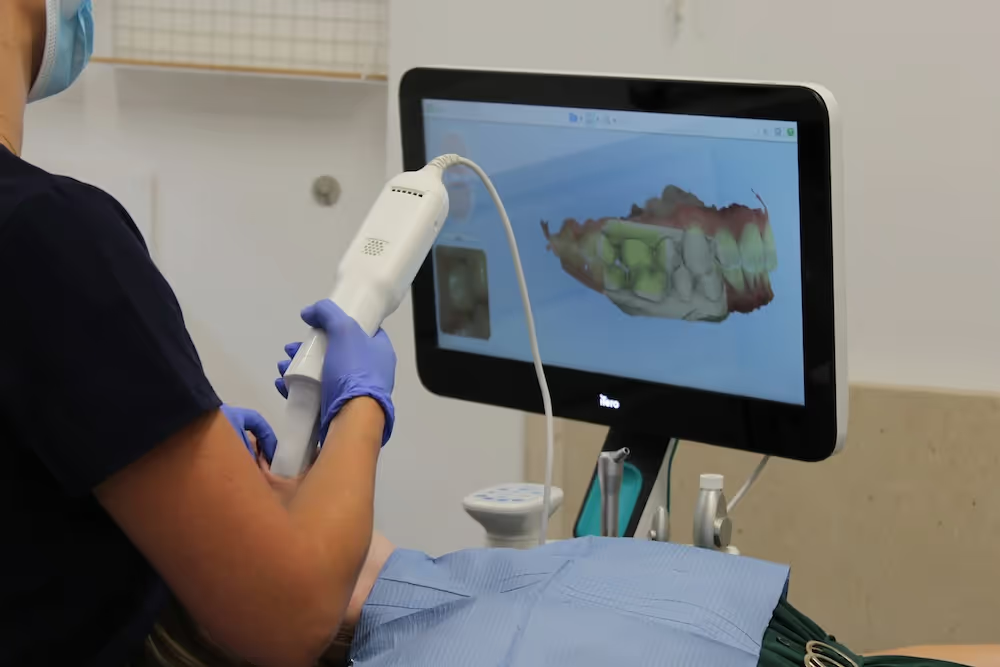
We use a CBCT scanner, which produces a detailed 3D image of your jawbone, to plan every implant case. For All-on-4 or All-on-6 specifically, this scan is what tells us exactly how much bone you have, where it's strongest, and how implants should be angled to make the most of it. Skipping this step, or relying on a flat 2D X-ray instead, is how implant placements go wrong.
What your first appointment looks like
Every implant enquiry starts with a free Zoom consultation with our treatment coordinator, where we talk through your history and what you're hoping to achieve. If it looks like All-on-4 or All-on-6 might be right for you, the next step is an in-person assessment, including your CT scan, so we can map your case properly.
From there, you'll get a verbal breakdown of the recommended plan on the day, followed by a full written treatment plan with costs and timeline so you can review everything before deciding anything.
Cost and payment options
Because All-on-4 and All-on-6 involve multiple implants and a full arch of replacement teeth, cost varies considerably by case, and we won't quote a number without an assessment. Finance is available through Tabeo with no deposit required, including 0% over 12 months, 9.9% over 18 months, or lower rates spread across 24 to 60 months for larger treatment plans.
Nervous about implant surgery?
It's a bigger procedure than a single implant, and feeling nervous about it is entirely reasonable. IV sedation with a trusted external specialist is available at an additional cost, and it's worth raising at your Zoom consultation so we can factor it into your appointment planning properly rather than as an afterthought.
Book your free consultation
If you're weighing up All-on-4 against All-on-6, or wondering whether either is realistic for your situation, the most useful next step is a free Zoom consultation. It costs nothing, and it means your questions get answered by someone who's actually seen a CT scan of your jaw, not a search engine result.
Frequently asked questions
How long do temporary same day teeth last before the final set is fitted?
Typically several months, while the implants integrate with your jawbone. Your treatment plan will give you a realistic timeframe based on your specific case.
Is All-on-6 always better than All-on-4?
No. All-on-6 suits patients with a heavier bite or reduced bone density, but All-on-4 provides more than enough support for many patients. The right choice depends on your CT scan and clinical assessment, not a general rule.
Will same day teeth look and feel natural straight away?
The temporary bridge fitted on the day of surgery is designed to look and function naturally, though your final permanent teeth, fitted once healing is complete, will be the more durable, long-term result.
Do I need a CT scan before All-on-4 or All-on-6 treatment?
Yes. A CT scan using our CBCT scanner is an essential part of planning either treatment safely and accurately, and it forms part of your in-person assessment.
Browse related articles

The 45-minute first appointment: what we look at when there's actually time to look
Most dental check-ups are over before they really start. Fifteen minutes of stocktaking, a quick polish, a glance around, and you're back on the street. It works as a routine; it doesn't really work as a check.





Get in touch.
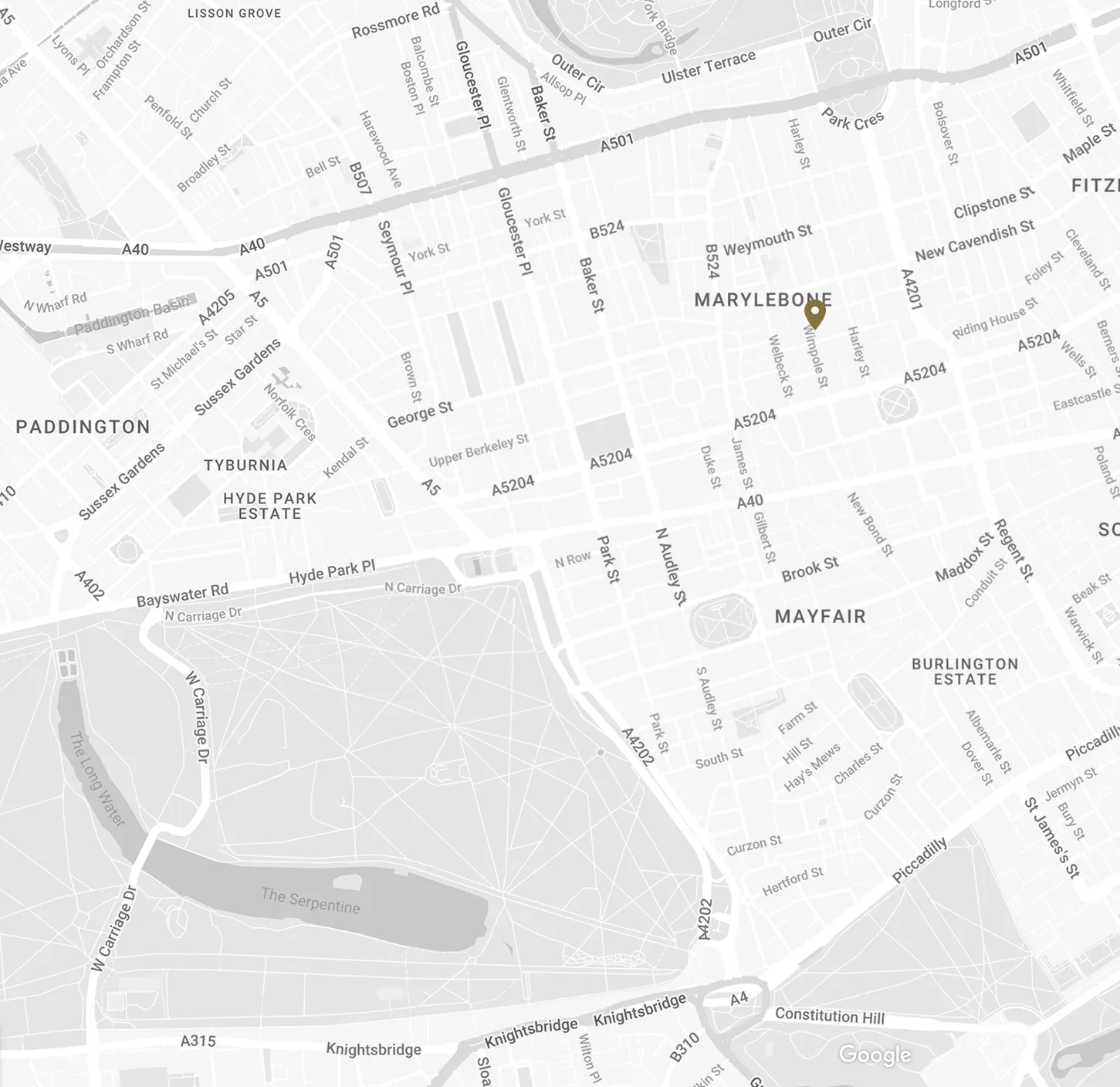
Marylebone.
Ace Dental
Lister House,
11-12 Wimpole Street,
Marylebone, London
W1G 9ST
Call us on:
Opening times:
Weekdays 9am - 6pm


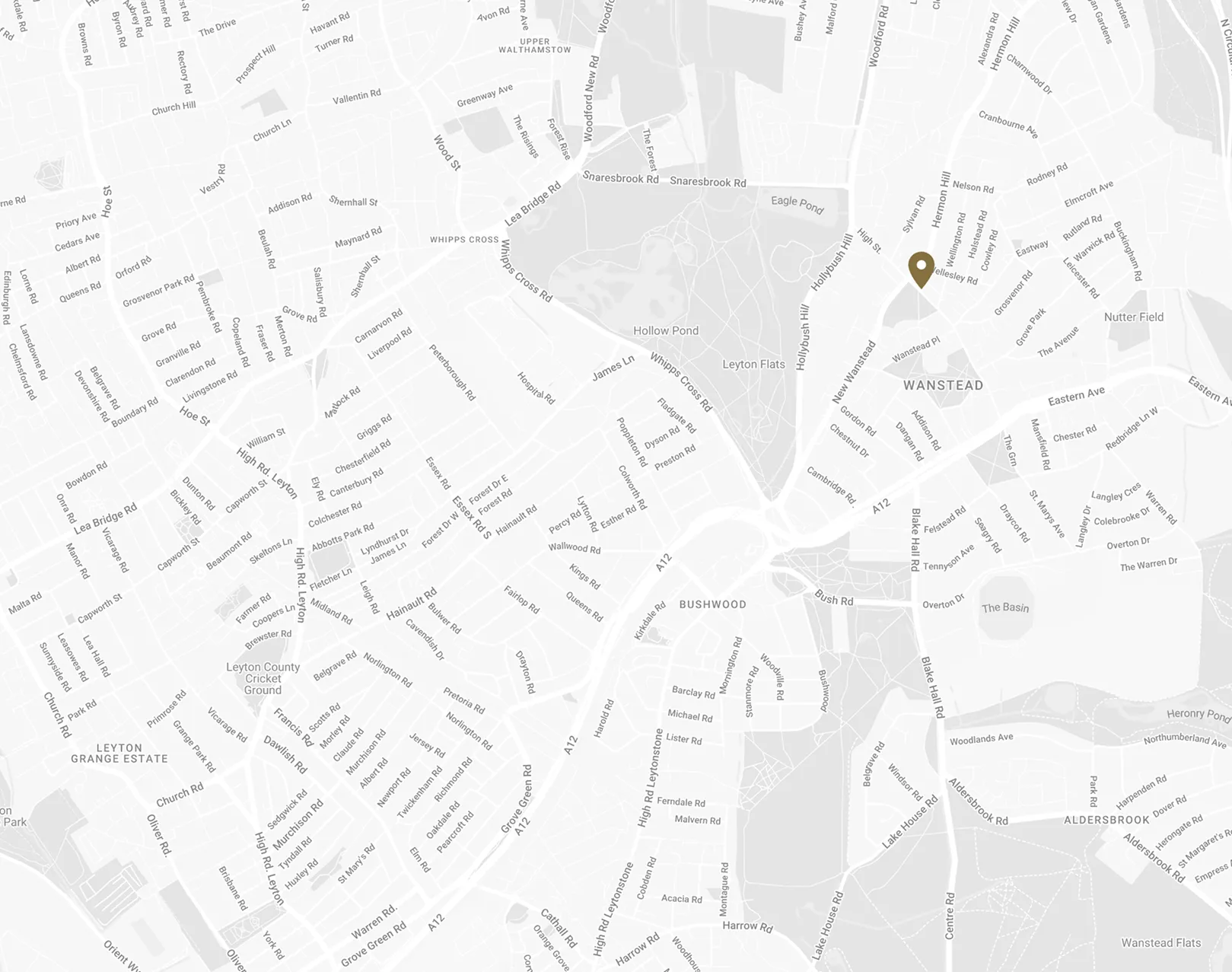
Wanstead.
Ace Dental
11 High Street,
Wanstead, London
E11 2AA
Call us on:
Opening times:
Monday 9am - 6pm
Tuesday & Wednesday 9am - 7pm
Thursday 9am - 5:30pm
Friday 9am - 5pm
Saturday 9am - 2pm
Sunday Closed
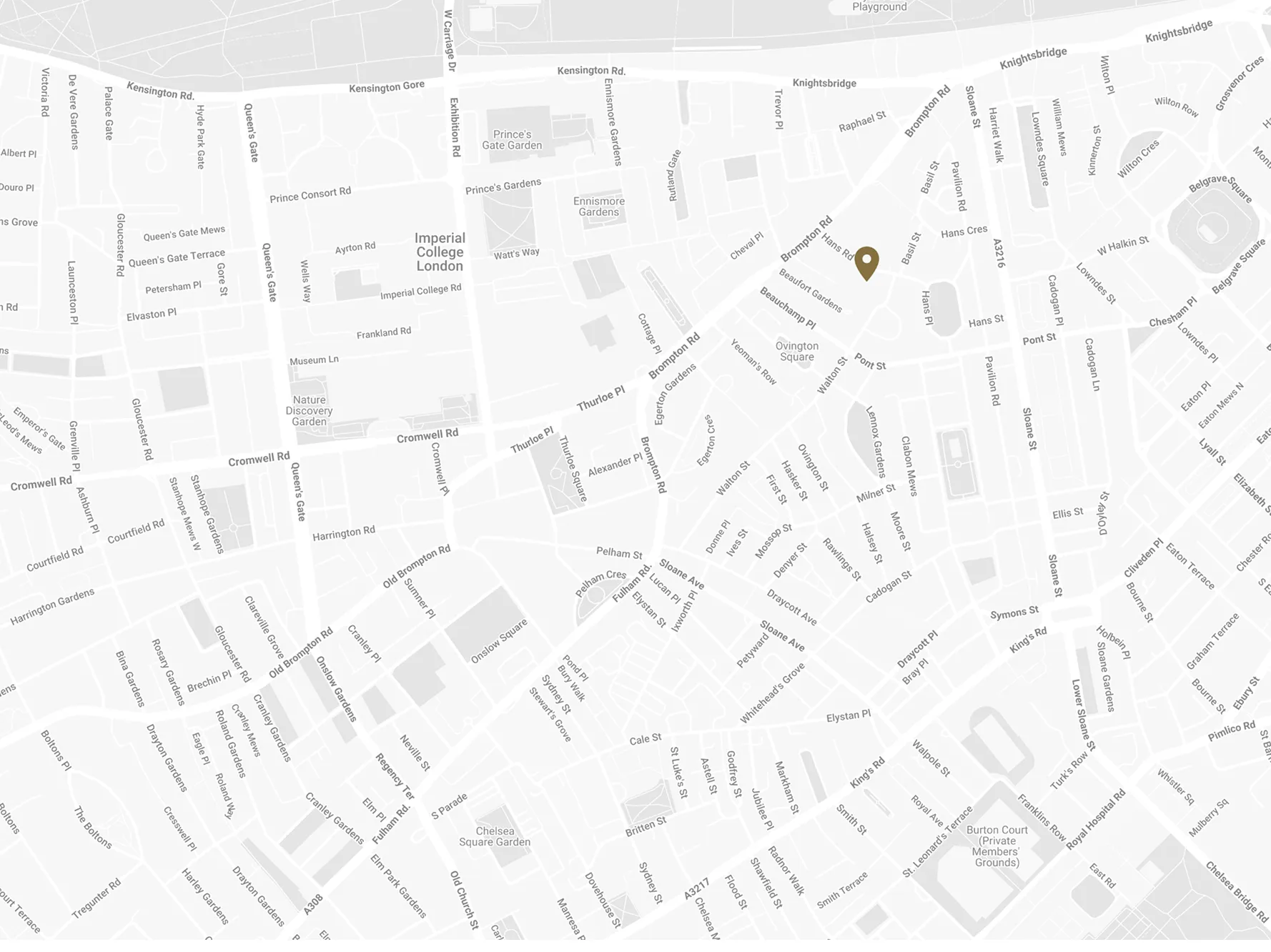
Knightsbridge.
Rakus Dental
34 Hans Road,
Knightsbridge,
London,
SW3 1RW
Call us on:
Opening times:
Monday 9 am- 6 pm
Tuesday 9 am- 6 pm
Wednesday 9 am - 6 pm
Thursday 9 am - 6 pm
Friday 9 am - 6 pm
Saturday 10 am - 4 pm
Sunday Closed